M
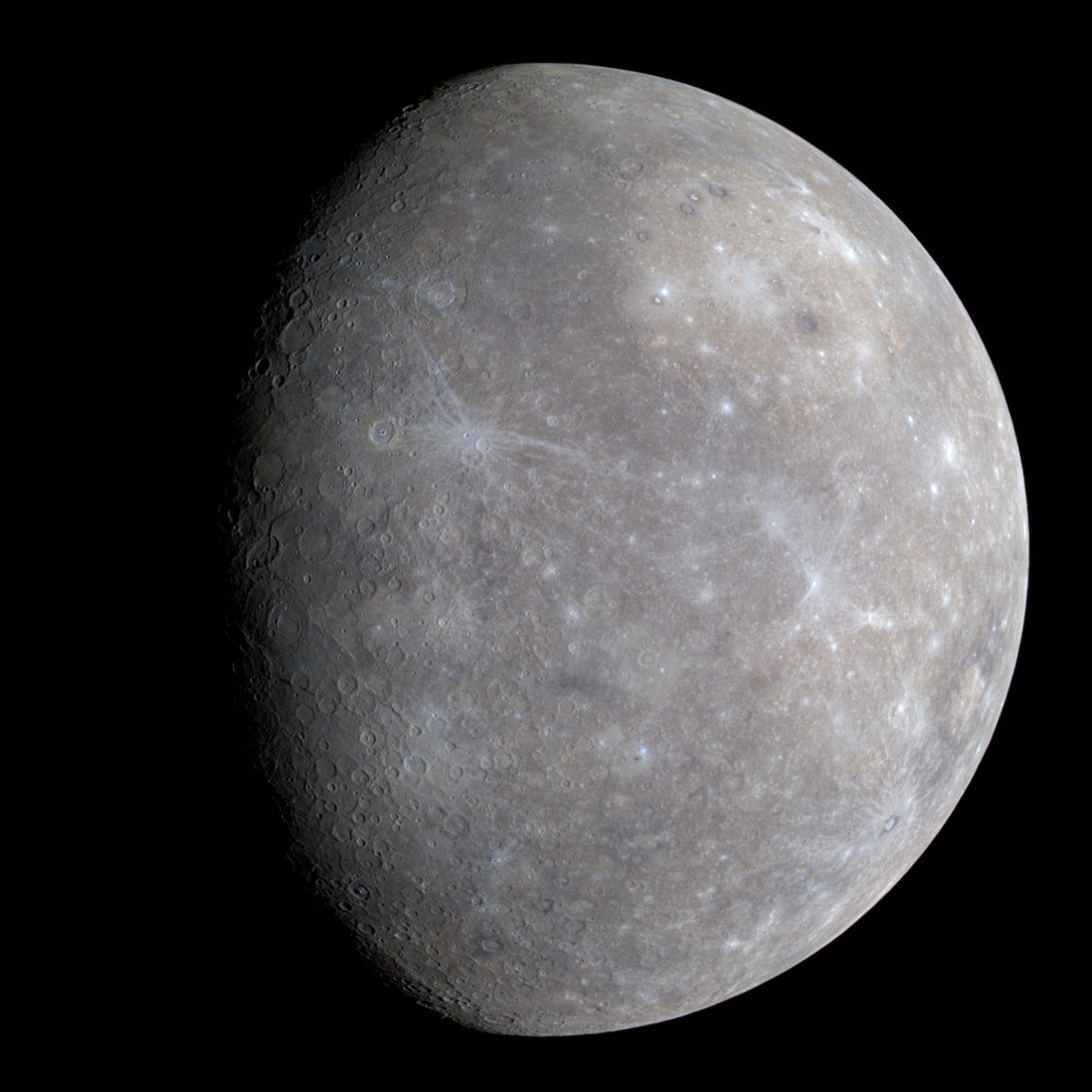
Mercury
The closest planet to the sun, Mercury is only a bit larger than Earth's moon. Its day side is scorched by the sun and can reach 840 degrees Fahrenheit (450 Celsius), but on the night side, temperatures drop to hundreds of degrees below freezing.
top
V
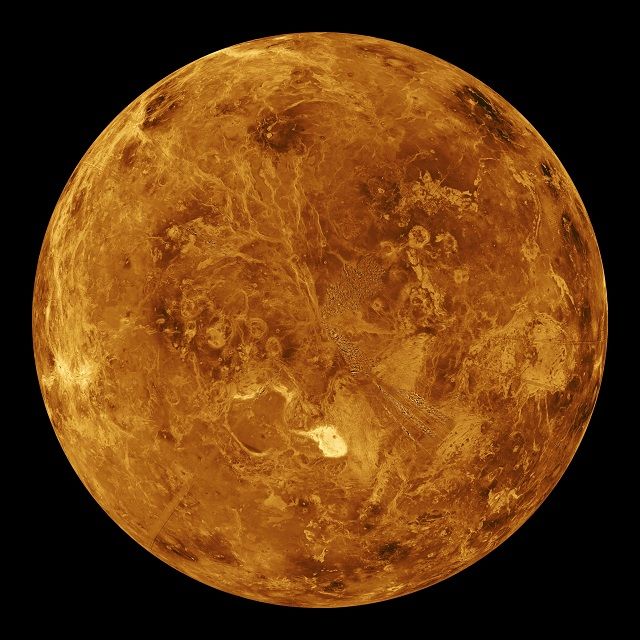
Venus
The second planet from the sun, Venus is terribly hot, even hotter than Mercury. The atmosphere is toxic. The pressure at the surface would crush and kill you. Scientists describe Venus’ situation as a runaway greenhouse effect. Its size and structure are similar to Earth, Venus' thick, toxic atmosphere traps heat in a runaway "greenhouse effect."
top
E
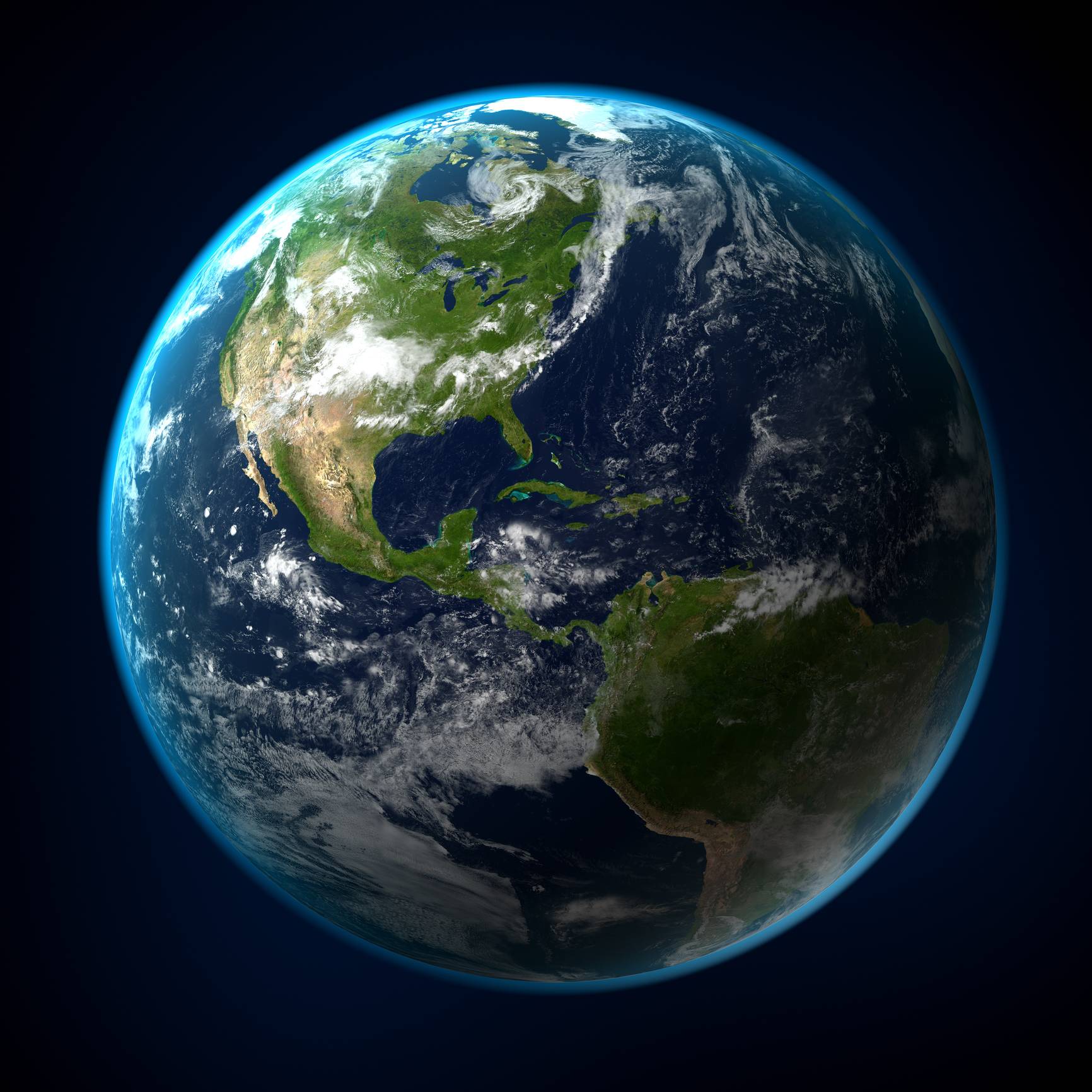
Earth
The third planet from the sun, Earth is a waterworld, with two-thirds of the planet covered by ocean. It’s the only world known to harbor life. Earth’s atmosphere is rich in life-sustaining nitrogen and oxygen.
top
M
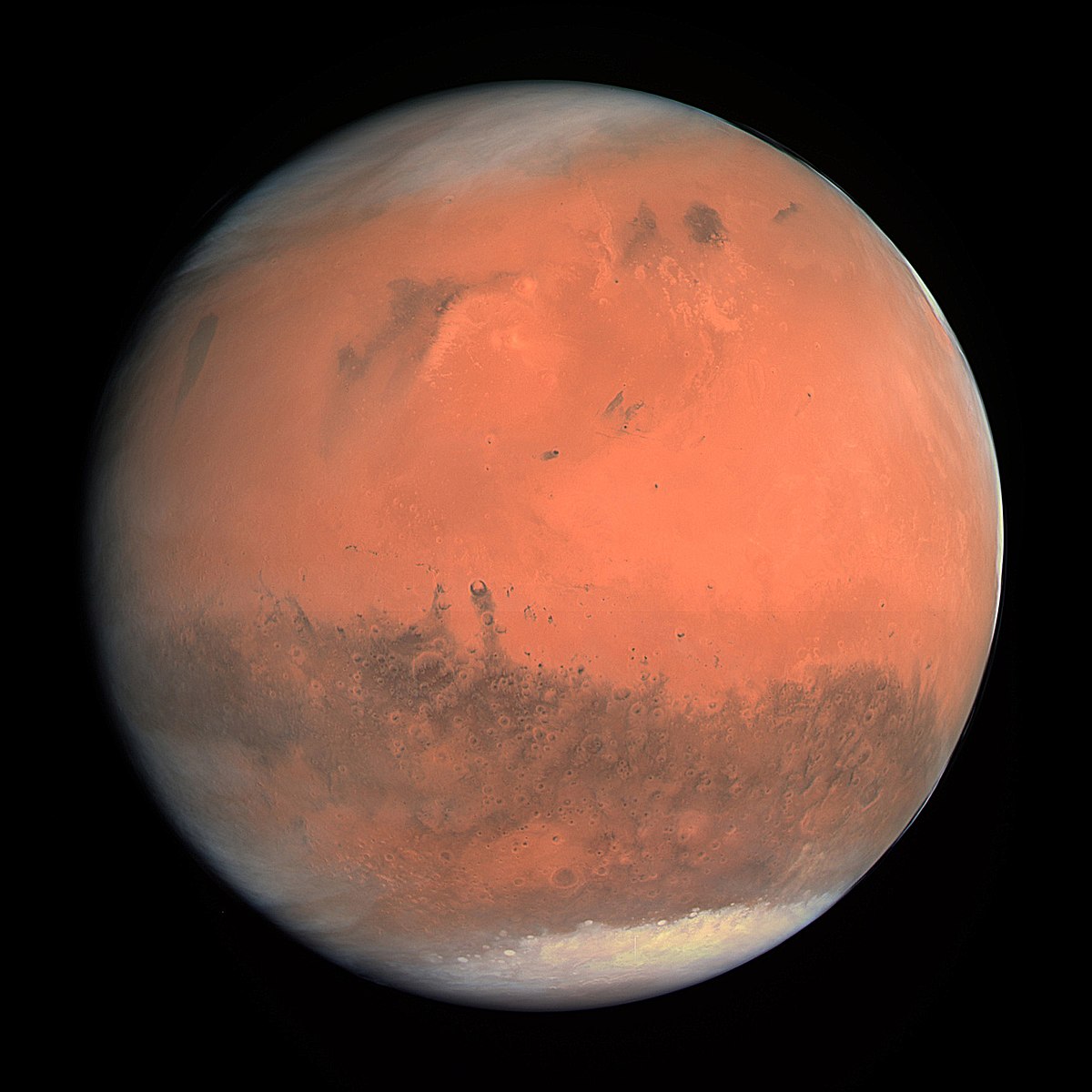
Mars
The fourth planet from the sun, is a cold, dusty place. The dust, an iron oxide, gives the planet its reddish cast. Mars shares similarities with Earth: It is rocky, has mountains and valleys, and storm systems ranging from localized tornado-like dust devils to planet-engulfing dust storms. It snows on Mars.
top
J
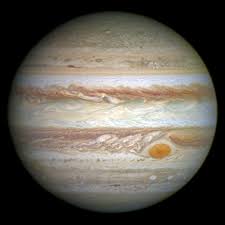
Jupiter
The fifth planet from the sun, Jupiter is huge and is the most massive planet in our solar system. It’s a mostly gaseous world, mostly hydrogen and helium. Its swirling clouds are colorful due to different types of trace gases.
top
S
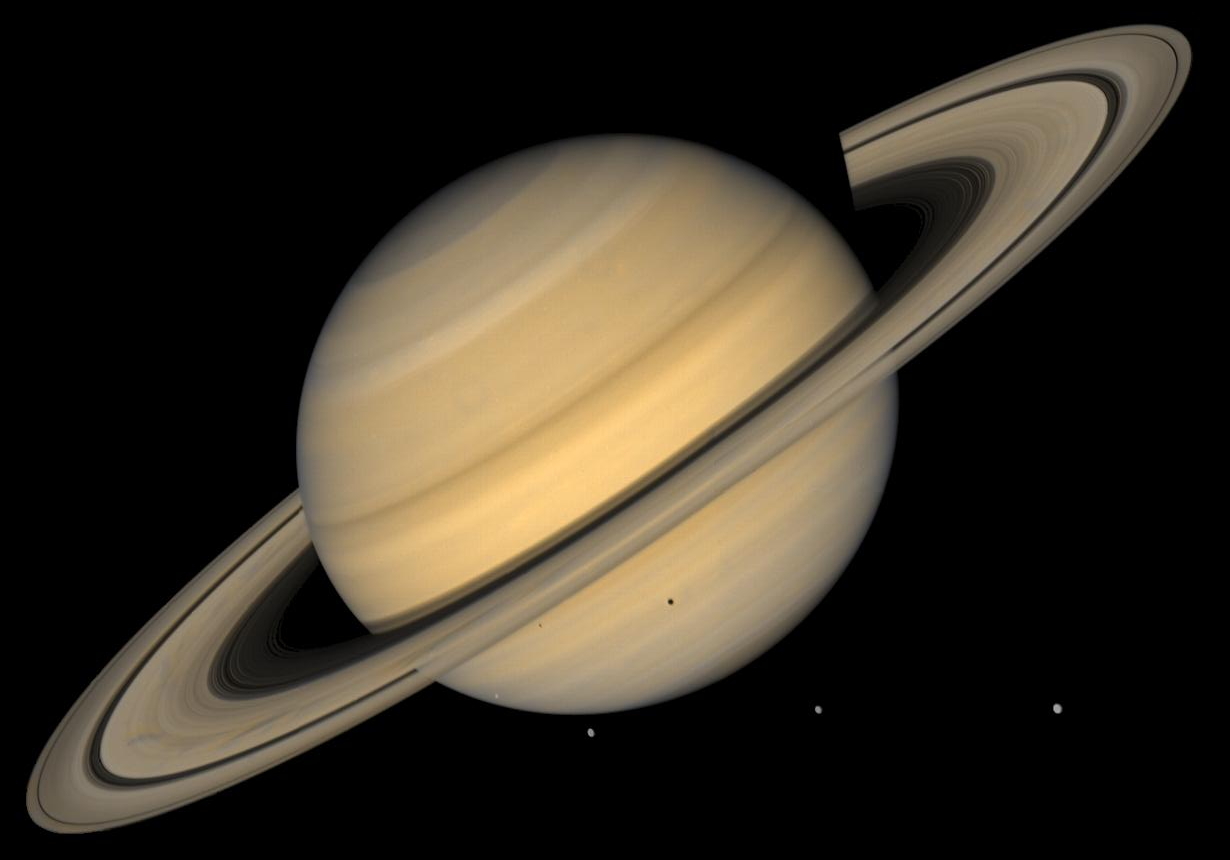
Saturn
The sixth planet from the sun is known most for its rings. When Galileo Galilei first studied Saturn in the early 1600s, he thought it was an object with three parts. Not knowing he was seeing a planet with rings, the stumped astronomer entered a small drawing — a symbol with one large circle and two smaller ones — in his notebook, as a noun in a sentence describing his discovery.
top
U
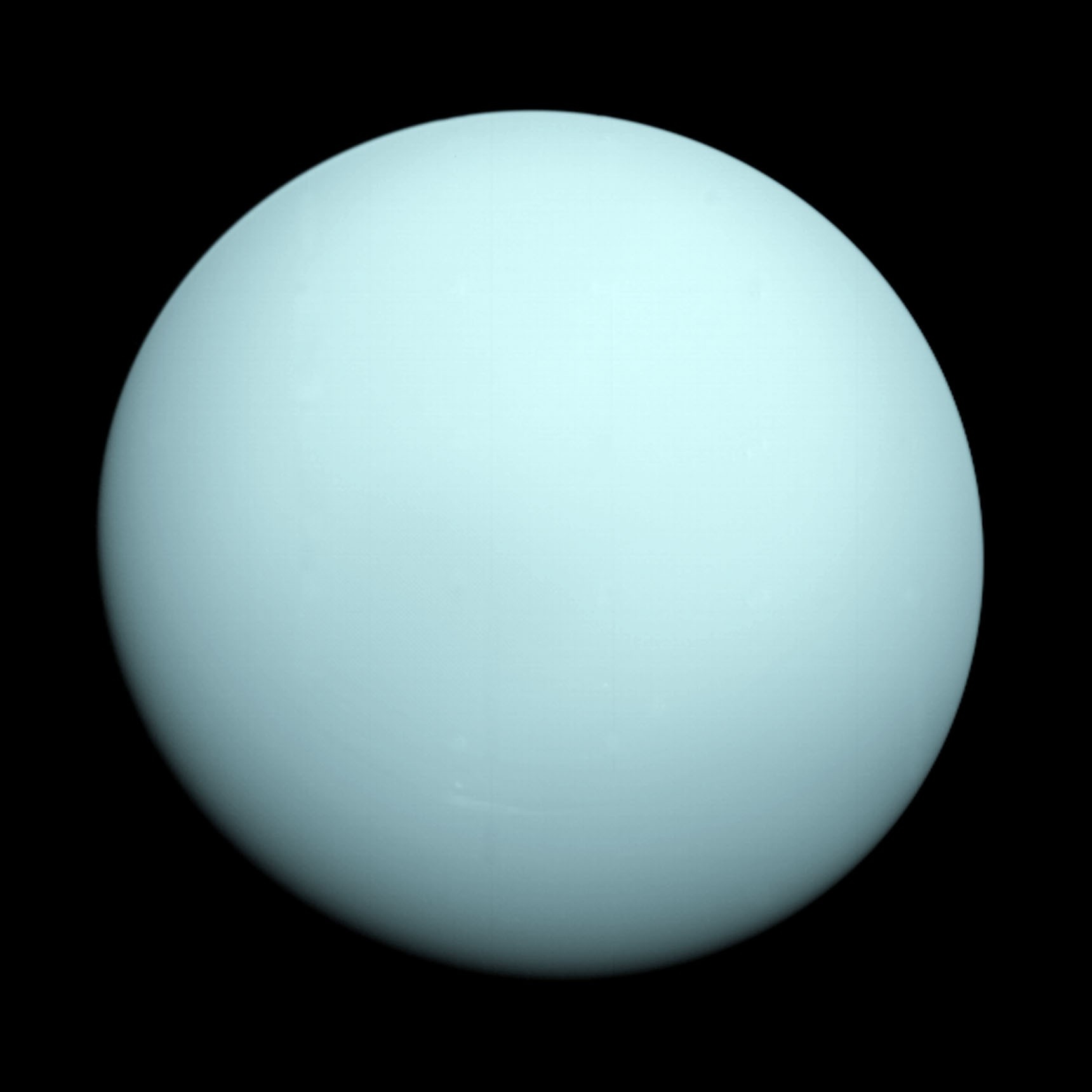
Uranus
The seventh planet from the sun, Uranus is an oddball. It’s the only giant planet whose equator is nearly at right angles to its orbit — it basically orbits on its side. Astronomers think the planet collided with some other planet-size object long ago, causing the tilt.
top
N
Neptune
The eighth planet from the sun, Neptune is known for strong winds — sometimes faster than the speed of sound. Neptune is far out and cold. The planet is more than 30 times as far from the sun as Earth. It has a rocky core. Neptune was the first planet to be predicted to exist by using math, before it was detected.
.jpg)
top